
Eviction Lab Research
The Eviction Lab aims to analyze the prevalence, causes, and consequences of eviction in America. This page highlights key findings from our research and provides links to more detailed summaries, reports, and academic articles.
The Prevalence, Concentration, and Geography of Eviction
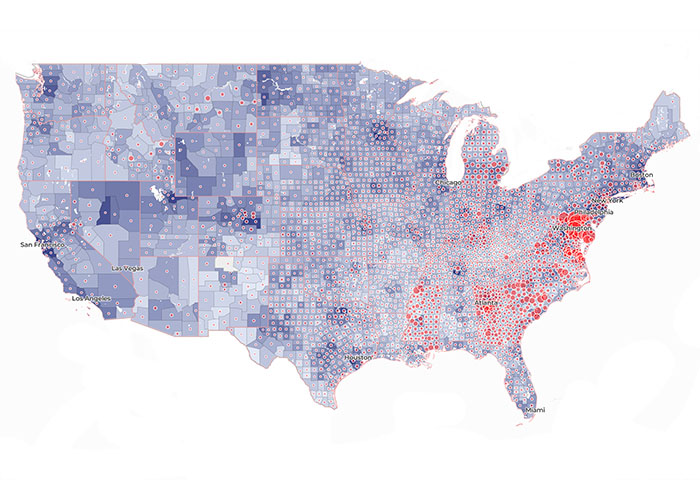
One of our key goals is to offer an accurate picture of how common eviction is across the United States. We developed the first nationwide estimates of the prevalence of eviction, allowing us to describe how these cases are unevenly distributed both between and within states.
Key Findings
Nationwide, 3.6 million evictions were filed in 2018 against 2.7 million unique households.
Every year, 7.6 million individual renters are threatened with eviction, many of them children.
In many cities, a small set of landlords are consistently responsible for a large share of evictions.
We have analyzed eviction risk in suburban communities, showing how, in most cases, eviction rates in these communities have increased over time.
People at Risk of Eviction
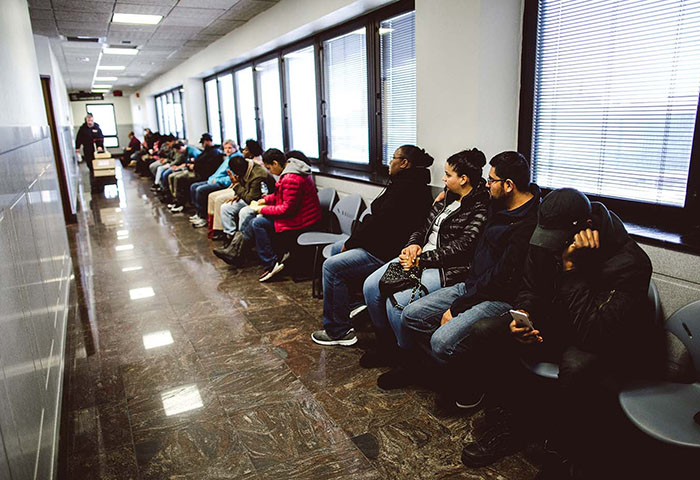
Certain renters are at greater risk of eviction than others. Our research has explored these disparities, particularly as they pertain to race, ethnicity, gender, and household composition.
Key Findings
Black renters face far higher eviction rates than any other racial/ethnic group.
Nearly 40% of all individuals facing the threat of eviction are children. Households with children are at high risk of eviction.
Women face a disproportionate share of eviction filings and judgments.
Public housing authorities are responsible for a large number of eviction cases. They are also significantly more likely to file repeated, serial eviction cases.
Consequences of Eviction

Eviction cases—even those that don’t result in displacement—can affect households in a wide variety of ways. They also have repercussions for communities, undermining stability and collective efficacy. Our research has explored a number of these consequences.
Key Findings
Paying more of your income toward rent is associated with increased risk of death, and evictions raise this risk even more.The risk of death following eviction was twice as high during the COVID-19 pandemic.
Eviction cases are associated with increases in assaults, robberies, and burglaries.
Being evicted when pregnant harms infant health and development.
Tools to Address the Eviction Crisis
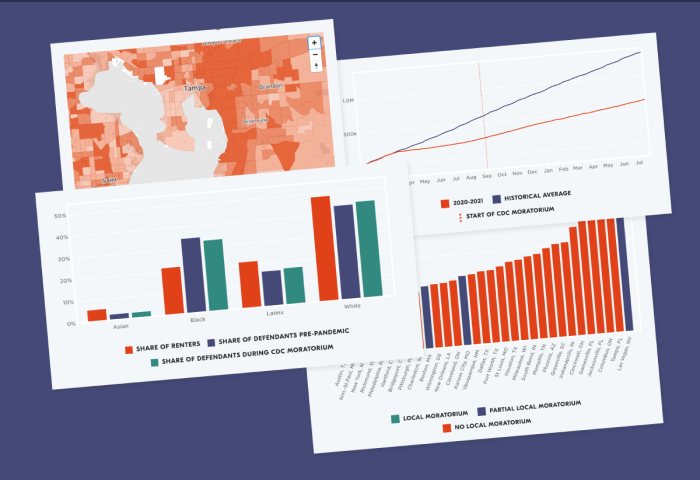
What can be done to reduce eviction rates? Our research highlights a number of policies and tools that can help. These include interventions that directly affect the eviction process, but also steps that can be taken to address underlying causes and increase the supply of safe, affordable housing.
Key Findings
Eviction and Eviction Protections during the COVID-19 Pandemic
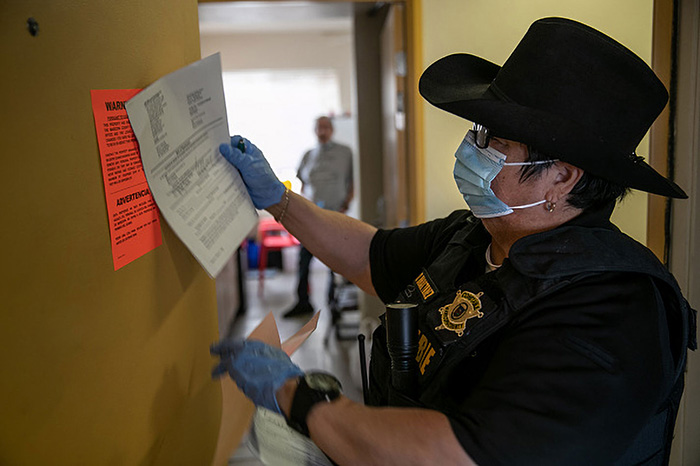
Massive spikes in unemployment at the onset of the COVID-19 pandemic threatened to cause a surge in eviction filings. Instead, thanks to robust federal, state, and local interventions, the number of eviction cases being filed fell to historic lows. We have documented these trends, described the protections that were enacted, and evaluated policies.
Key Findings
Landlords and Rental Markets
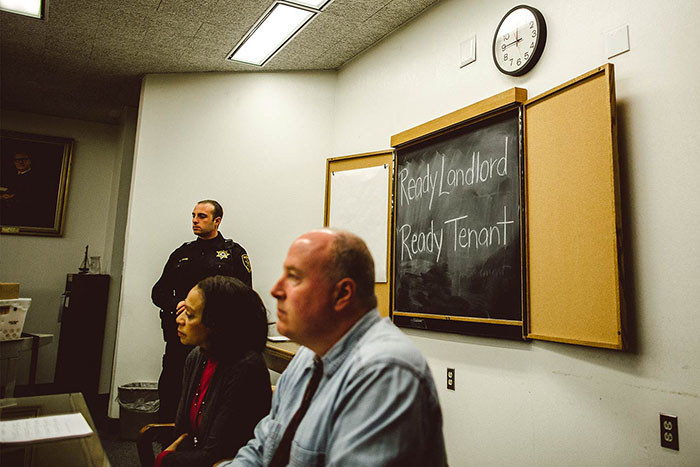
Our research has also explored landlord behavior, property management, and the operation of rental markets. This work sheds light on the scale of landlord property holdings, the profitability of rental housing, and the ways that landlords engage with the eviction process.
Key Findings
Eviction, Housing, and Zoning Data
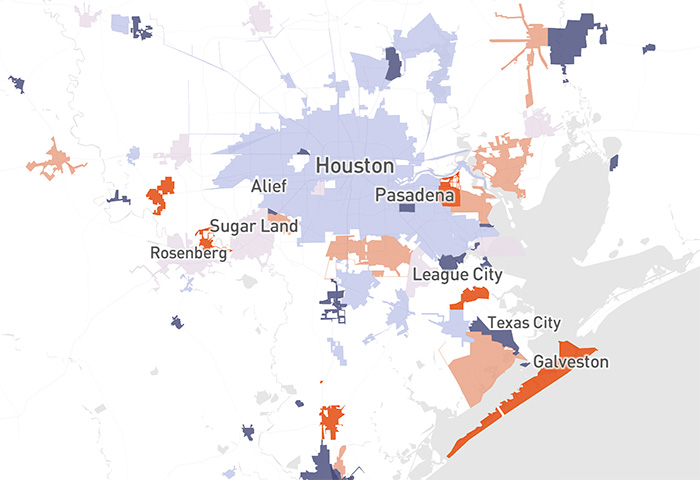
The process of building and conducting research with the national eviction database has provided insights into the potential and the challenges of working with administrative data from the courts, as well as publicly available parcel, zoning, and land use resources.